
Beyond the School Physical: Why Your Houston Student Needs a Comprehensive Eye Exam Before School Starts
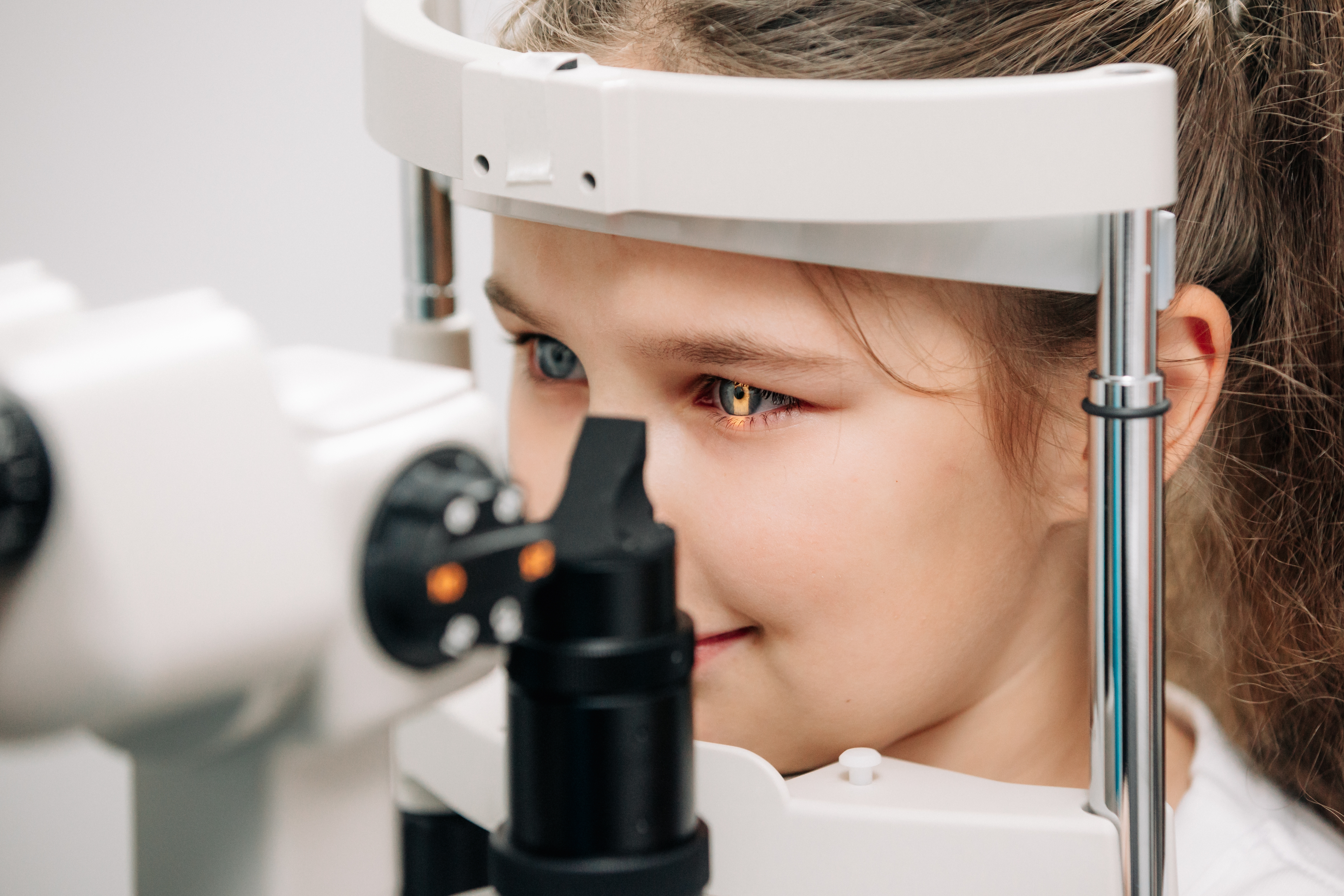
Back-to-school preparation often includes a physical, updated immunization records, and new supplies. However, a school physical or basic vision screening may not provide a complete picture of how well a child’s eyes function during reading, writing, computer work, and classroom instruction.
A comprehensive eye exam can identify vision issues that may otherwise go unnoticed. For Houston families, scheduling this appointment before school starts gives students time to receive updated glasses, additional testing, or other recommended care without disrupting the first weeks of class.
Passing a Vision Screening Does Not Guarantee Clear, Comfortable Vision
School and pediatric vision screenings serve an important purpose, but they are designed to identify students who may need further evaluation. Many screenings focus primarily on distance visual acuity, such as whether a child can read letters on an eye chart.
A comprehensive eye exam evaluates more than distance clarity. It can assess prescription needs, eye health, focusing ability, eye coordination, depth perception, and how effectively the eyes work together. The American Optometric Association recommends comprehensive eye exams rather than relying solely on vision screenings before children begin first grade.
Vision Skills Affect Classroom Performance
Students depend on their visual systems throughout the school day. They must shift focus between a desk and the board, follow lines of text, use both eyes together, and process visual information accurately.
When one of these skills is inefficient, a child may have to work harder to complete ordinary assignments. This extra effort can contribute to fatigue, frustration, reduced attention, or avoidance of visually demanding tasks. A child may still have 20/20 distance eyesight while experiencing difficulty with focusing or binocular coordination.
InSight EyeCare provides comprehensive family eye care and pediatric vision services in Houston. The practice also has experience evaluating binocular visual disorders in children.
Signs Your Child May Need an Eye Exam
Children do not always recognize that their vision is different from what others experience. Parents and teachers should watch for patterns such as:
- Squinting or sitting unusually close to screens
- Losing place or skipping lines while reading
- Covering or closing one eye during near work
- Frequent headaches or tired eyes after school
- Rubbing the eyes during homework
- Difficulty copying information from the board
- Avoiding reading or losing focus during close work
- A sudden change in grades or classroom confidence
These symptoms do not automatically indicate a vision disorder. Attention challenges, learning differences, insufficient sleep, and other factors can cause similar behaviors. A comprehensive eye exam helps determine whether an untreated vision issue is contributing to the problem.
Early Exams Can Detect Changes Before School Becomes Difficult
Children’s vision can change as they grow. Nearsightedness may make the board appear blurry, while farsightedness or focusing problems can make reading and computer work uncomfortable. Eye alignment concerns can also interfere with comfortable binocular vision.
Routine exams allow an optometrist to monitor these changes and compare findings over time. InSight EyeCare recommends annual eye exams throughout the school years to track visual development, identify prescription changes, and evaluate concerns that may not be detected through a school screening.
Addressing a vision problem before classes begin may give a student time to adjust to new glasses or begin an appropriate treatment plan. It can also help parents and teachers better understand whether visual demands are affecting classroom performance.
What Happens During a Comprehensive Pediatric Eye Exam?
The optometrist will review your child’s health history, family eye history, school concerns, and any symptoms noticed at home. Testing is adapted to the child’s age and communication level.
The examination may include checking visual acuity, measuring refractive error, evaluating eye alignment and movement, assessing focusing ability, and examining the internal and external health of the eyes. Additional testing may be recommended when symptoms or initial findings suggest a specific concern.
A comprehensive eye exam does not replace care for a learning disability or attention disorder. It helps ensure that an untreated vision problem is not creating an additional obstacle to reading, concentration, and academic progress.
Schedule your student’s comprehensive eye exam with InSight EyeCare at 13147 Northwest Freeway, Suite 100, Houston, TX 77040, or call (713) 462-2010.


Contact Info
Hours of Operation
- Monday 8:30am - 6:00pm
- Tuesday 8:30am - 6:00pm
- Wednesday 8:30am - 6:00pm
- Thursday 1:00pm - 7:00pm
- Friday 8:30am - 1:00pm
- Saturday Closed
- Sunday Closed
Summer hours may vary, please call to confirm office hours.
© 2026 InSight EyeCare. All rights Reserved. Accessibility Statement - Privacy Policy - Sitemap
Powered by:
