
Glaucoma Can Develop Without Symptoms: Who Should Be Tested and How Often?

Glaucoma is a group of eye diseases that can damage the optic nerve and lead to permanent vision loss. One of the challenges with glaucoma is that the most common form, open-angle glaucoma, often develops without noticeable symptoms in its early stages. Vision may seem completely normal while changes are already occurring. This is why comprehensive eye exams and appropriate glaucoma testing are an important part of protecting long-term eye health.
Why Glaucoma Can Be Difficult to Detect
Glaucoma-related vision loss typically develops gradually. Peripheral vision is often affected first, and these changes can be subtle enough to go unnoticed until the disease has progressed.
Eye pressure is an important part of a glaucoma evaluation, but pressure alone cannot determine whether someone has glaucoma. Some people develop glaucoma even when their eye pressure falls within a typical range. A comprehensive evaluation allows us to consider eye pressure along with the health and appearance of the optic nerve and other findings.
Who Should Be Tested for Glaucoma?
Anyone can develop glaucoma, but certain factors can increase the likelihood of developing the condition. Patients may need closer monitoring when they have one or more of the following:
- Increasing age, particularly after age 60
- A parent or sibling with glaucoma
- African American or Hispanic/Latino heritage, particularly at older ages
- Diabetes or certain other medical conditions
- Elevated eye pressure or suspicious optic nerve findings
- A history of significant eye injury or certain types of eye surgery
- Long-term use of corticosteroid medications
Having a risk factor does not mean you will develop glaucoma. It does mean that maintaining an appropriate eye exam schedule becomes especially important.
How Often Should You Be Checked?
There is no single glaucoma testing schedule that is appropriate for every patient. The National Eye Institute recommends that people at higher risk for glaucoma receive comprehensive dilated eye exams every one to two years.
For adults without known eye disease or additional risk factors, exam frequency generally becomes more frequent with age. Current American Academy of Ophthalmology guidance recommends comprehensive medical eye evaluations every two to four years from ages 40 to 54, every one to three years from ages 55 to 64, and every one to two years beginning at age 65. Patients with glaucoma risk factors may need more frequent examinations.
Your individual schedule may be different based on your health history, family history, previous exam findings, and other risk factors.
What Does Glaucoma Testing Involve?
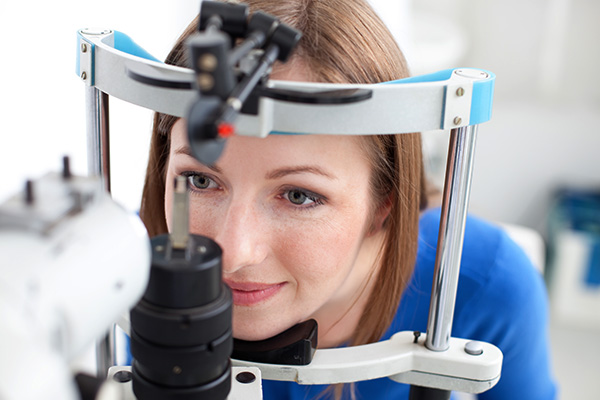
A glaucoma evaluation looks at more than whether you can read the eye chart. Depending on your needs, an eye doctor may evaluate eye pressure, examine the optic nerve and retina, assess peripheral vision, and recommend additional testing when appropriate.
Protect your sight before glaucoma has a chance to go unnoticed and schedule your comprehensive eye exam with InSight EyeCare in Houston, Texas, today at (713) 462-2010.



Contact Info
Hours of Operation
- Monday 8:30am - 6:00pm
- Tuesday 8:30am - 6:00pm
- Wednesday 8:30am - 6:00pm
- Thursday 1:00pm - 7:00pm
- Friday 8:30am - 1:00pm
- Saturday Closed
- Sunday Closed
Summer hours may vary, please call to confirm office hours.
© 2026 InSight EyeCare. All rights Reserved. Accessibility Statement - Privacy Policy - Sitemap
Powered by:
