
Headaches After Remote Work? Computer Vision Syndrome Treatment in Northwest Houston
Headaches After Remote Work? Computer Vision Syndrome Treatment in Northwest Houston
Why Your Workday May End With a Headache
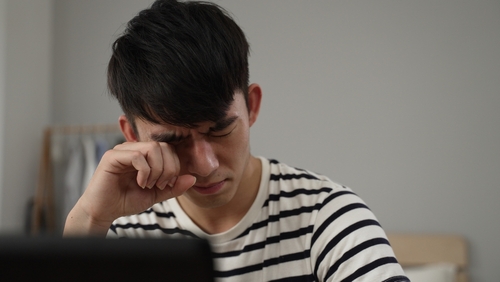
Closing your laptop should signal the end of the workday, but a lingering headache can make it difficult to unwind. If headaches regularly follow hours of emails, spreadsheets, or video calls, digital eye strain may be contributing. At InSight EyeCare, we help patients in Northwest Houston understand whether their vision or eye health is making screen time uncomfortable.
What Is Computer Vision Syndrome?
Computer vision syndrome, also called digital eye strain, describes eye and vision symptoms associated with prolonged screen use. Along with headaches, you may notice tired eyes, blurry vision, dryness, or neck and shoulder discomfort.
Sustained near work, screen glare, and an uncomfortable viewing position can contribute to symptoms. An outdated prescription or difficulty focusing and coordinating the eyes may add to the strain. Screen use can also reduce blinking, allowing the eye surface to become dry and irritated.
How We Evaluate Screen-Related Symptoms
Computer vision syndrome treatment starts with understanding what is causing your discomfort. During a comprehensive eye exam at our Houston practice, we evaluate your prescription, eye health, and how your eyes focus and work together.
Tell us when headaches begin, how long they last, and whether breaks help. It is also useful to describe your screen distance, daily computer use, and current glasses or contact lenses. These details help us connect exam findings with your work routine.
Treatment Based on Your Needs
An updated prescription may help when uncorrected vision is contributing to eye strain. Depending on your exam findings, we may recommend lenses suited to your computer viewing distance. Everyday distance glasses or reading glasses do not always match the visual demands of a desktop monitor.
If dryness is part of the problem, we can recommend appropriate lubricating drops or a dry eye management plan. When testing identifies a focusing or eye coordination issue, we will discuss the appropriate next steps. Treatment depends on the cause, so there is no single solution for every screen-related headache.
Make Your Home Office Easier on Your Eyes
For remote workers in Northwest Houston, a few practical changes may help reduce daily strain:
Follow the 20-20-20 rule: every 20 minutes, look about 20 feet away for 20 seconds.
Position your monitor roughly 20 to 28 inches away, with its center slightly below eye level.
Reduce reflections from windows and overhead lights.
Increase text size instead of leaning toward the screen.
Blink fully and regularly, and take breaks from prolonged sitting.
When Headaches Need Further Attention
Recurring headaches deserve an evaluation, especially when rest and workspace changes do not help. Not every headache is related to vision, and evaluation by your primary care clinician may also be needed.
Seek emergency care for a sudden, severe headache or a headache accompanied by sudden vision loss, weakness, or difficulty speaking.
Make your next workday more comfortable. Contact InSight EyeCare in Houston, TX, at (713) 462-2010 to schedule an eye exam and discuss computer vision syndrome treatment.




Contact Info
Hours of Operation
- Monday 8:30am - 6:00pm
- Tuesday 8:30am - 6:00pm
- Wednesday 8:30am - 6:00pm
- Thursday 1:00pm - 7:00pm
- Friday 8:30am - 1:00pm
- Saturday Closed
- Sunday Closed
Summer hours may vary, please call to confirm office hours.
© 2026 InSight EyeCare. All rights Reserved. Accessibility Statement - Privacy Policy - Sitemap
Powered by:
